


A new Kenyan-built digital platform is rapidly positioning itself as one of Africa’s most ambitious attempts to challenge the dominance of global content giants like TikTok and YouTube — not by chasing views alone, but by promising to finally put African creators at the center of monetization.
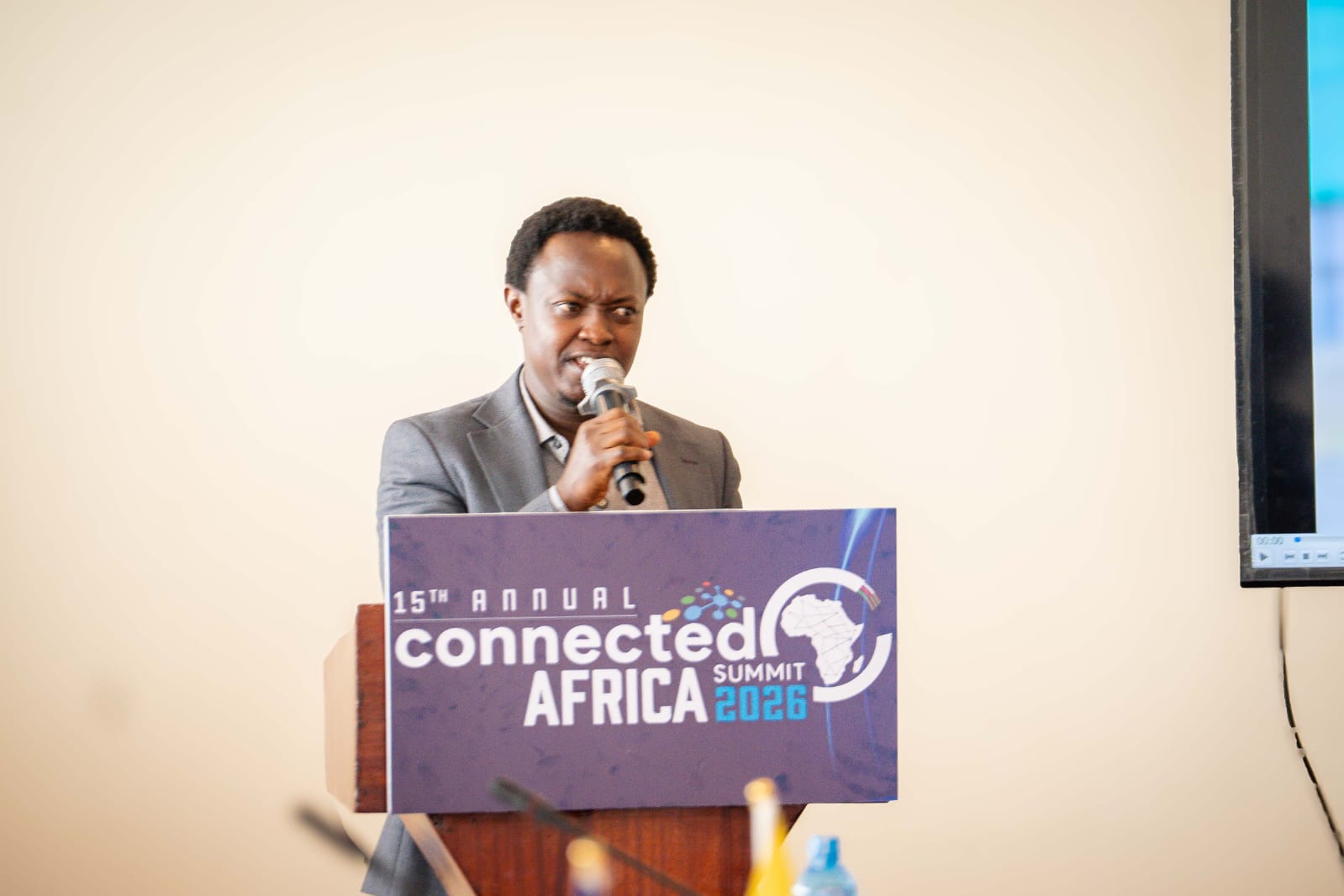
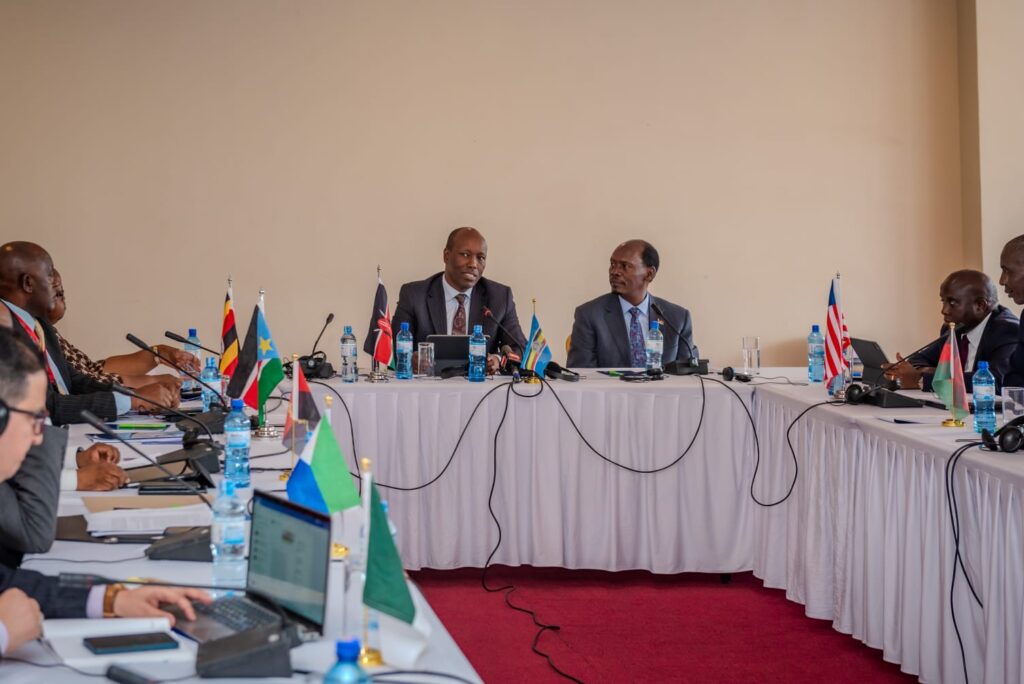
UrbanTok officially launched during the Connected Africa Summit 2026 in Nairobi, drawing attention not only from creators and technology enthusiasts, but from more than 20 ICT ministers across the continent. The high-profile launch featured Kenya’s Cabinet Secretary for ICT William Kabogo, Trade and Industry Cabinet Secretary Lee Kinyanjui and ICT Principal Secretary Eng. John Tanui, all of whom backed the platform as part of a wider push toward African digital sovereignty.
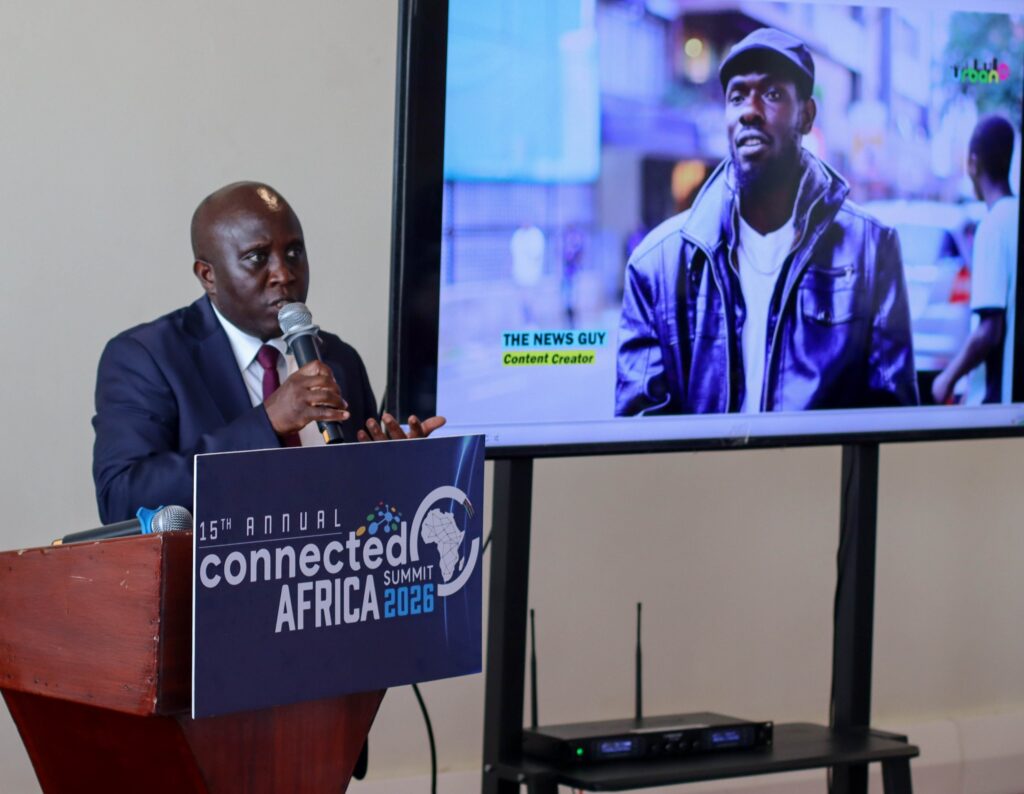
Unlike traditional social media platforms that primarily compete for user attention and advertising revenue, UrbanTok says its model is designed around creator monetization from the beginning. The platform enters the market at a time when frustration is growing among African digital creators who continue generating millions of views on international platforms while receiving significantly lower payouts compared to creators in Europe and North America.
Across Kenya, Nigeria, Ghana and South Africa, African creators dominate online engagement through comedy, dance, music, short-form videos and livestream content. Yet many creators have repeatedly complained about low earnings, delayed payouts, restrictive monetization policies and payment systems that often fail to integrate smoothly with local banking and mobile money ecosystems.
According to the company, UrbanTok aims to solve those challenges through localized monetization features including local currency payouts, paid livestreams, virtual gifting and an integrated e-commerce and dropshipping marketplace known as UrbanDuka. The platform also claims creators can begin monetizing content much earlier compared to the strict follower and watch-time requirements imposed by many global platforms.
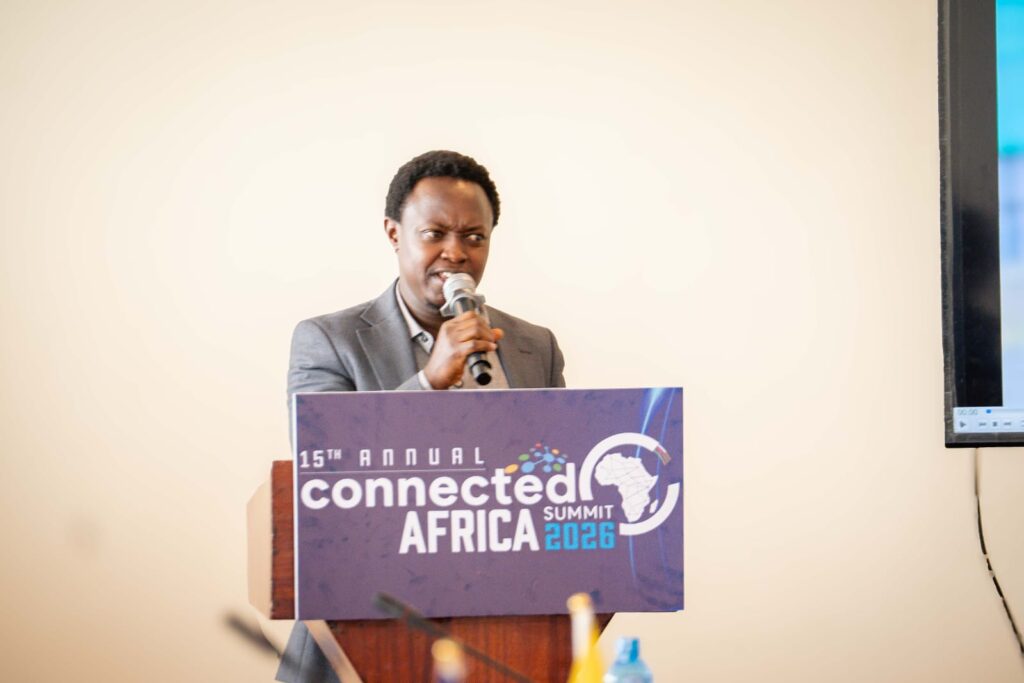
Speaking during the launch, CEO Naftal Nyabuto described the platform as “a monetization engine that happens to stream video,” signaling a deliberate shift away from the traditional social media model where creators often spend years building audiences before accessing meaningful revenue streams.
The platform says it recorded more than 10,000 daily active users within its first week of operation, an early indicator of growing interest from creators searching for alternatives to global content ecosystems dominated by foreign technology giants.
The launch also sparked wider conversations about Africa’s role in the global digital economy. Leaders attending the summit argued that African users contribute enormous value to international social media companies through data, engagement, advertising impressions and viral content, yet receive only a small fraction of the economic returns generated from their activity.
With more than 18 million active TikTok users estimated in Kenya alone and hundreds of millions of social media users across the continent, concerns are increasingly growing that African digital creativity continues benefiting foreign platforms more than local economies. Industry observers argue that while African audiences generate billions of views and interactions every month, much of the advertising revenue and platform profits flow back to foreign markets and technology companies headquartered outside the continent.
Supporters of UrbanTok say the platform represents one of the first serious African attempts to build a creator economy infrastructure owned, operated and monetized within Africa itself. Beyond content creation, the initiative is also being framed as part of a broader movement toward digital independence, local innovation and retention of African economic value within the continent.
The emergence of UrbanTok now places pressure on global platforms increasingly facing criticism over creator compensation disparities, monetization access and algorithm transparency for African users. As competition in the creator economy intensifies, the success or failure of the Kenyan platform could become a major test of whether African-built digital ecosystems can compete against established global technology giants.
For now, one question is rapidly gaining momentum among creators, investors and policymakers alike: could Africa finally be building a platform designed not just for African audiences, but for African ownership, African monetization and African economic power?