

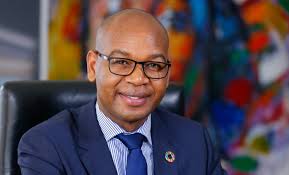
Few Kenyan bankers have enjoyed the level of influence and visibility that Joshua Oigara attained during his tenure at KCB Group. For years, he was regarded as one of East Africa’s most successful banking executives, overseeing the expansion of KCB into regional markets and transforming the lender into one of the largest financial institutions in the region.
Yet amid the growth and accolades, Oigara also found himself caught up in one of the most controversial conversations surrounding East Africa’s banking sector: allegations involving financial flows linked to politically connected individuals in South Sudan.
The controversy emerged after reports by international watchdog organizations and investigative groups raised concerns about how South Sudan’s political elite allegedly moved and stored vast sums of money through financial institutions operating in the region.
At the heart of the debate were questions about whether banks operating in South Sudan were doing enough to detect and prevent suspicious transactions involving politically exposed persons.
Among the institutions that came under scrutiny was KCB Group, which had established a significant presence in South Sudan as part of its regional expansion strategy.
The reports alleged that politically connected individuals and entities linked to South Sudan’s ruling class had maintained banking relationships with institutions operating in the country. Critics argued that the banking sector had become an important gateway through which powerful individuals could move funds across borders while the country itself continued to struggle with conflict, economic hardship and governance challenges.
The allegations quickly attracted international attention because South Sudan remains one of the world’s youngest nations and has faced repeated accusations of corruption, mismanagement of public resources and weak financial controls.
As media coverage intensified, KCB found itself facing difficult questions about its anti-money laundering controls and customer due diligence procedures.
Joshua Oigara, who was serving as KCB Group Chief Executive Officer at the time, moved quickly to defend the bank.
He publicly rejected suggestions that KCB had facilitated illegal transactions and maintained that the institution complied with all applicable anti-money laundering regulations, know-your-customer requirements and international banking standards.
According to the bank, its operations were subject to oversight by regulators and were conducted in accordance with Kenyan law as well as international compliance frameworks.
The controversy nevertheless sparked a broader debate about the role of commercial banks operating in fragile states and conflict-prone regions.
Financial crime experts argued that banks operating in high-risk jurisdictions face extraordinary challenges. On one hand, they are expected to support economic development and financial inclusion. On the other, they must ensure they do not become conduits for illicit financial flows.
The South Sudan case highlighted the difficult balancing act that financial institutions must perform.
Critics questioned whether traditional compliance measures were sufficient in environments where politically exposed persons dominate economic activity. Supporters of the banking sector countered that banks cannot arbitrarily deny services to customers without evidence of wrongdoing and must operate within established legal frameworks.
For Oigara, the controversy became one of the most visible reputational challenges of his leadership at KCB.
While no court found him personally responsible for any wrongdoing and the bank consistently denied the allegations, the reports ensured that questions about compliance, governance and risk management remained part of the public conversation.
The episode also underscored the growing influence of international watchdog groups in shaping perceptions of corporate governance and financial integrity. Increasingly, banks are being judged not only by regulators and shareholders but also by civil society organizations, investigative journalists and international observers.
Years later, the controversy remains a notable chapter in discussions about banking in East Africa and the responsibilities of financial institutions operating in politically sensitive environments.
For supporters of stronger financial oversight, the case highlighted the need for enhanced scrutiny of cross-border transactions and politically exposed persons. For banks, it served as a reminder that reputational risks can emerge even when no criminal charges or regulatory sanctions follow.
As Joshua Oigara moved on from KCB and later assumed leadership roles elsewhere in the banking sector, the South Sudan controversy remained one of the most discussed episodes associated with his time at the helm of one of Kenya’s most powerful financial institutions.
Ultimately, the debate was never just about one bank or one executive. It was about the broader question of how financial institutions operating in emerging markets navigate the complex intersection of business growth, political influence and compliance in an increasingly interconnected world.




Comments
Leave a comment
Your email stays private. Comments appear after moderation.